
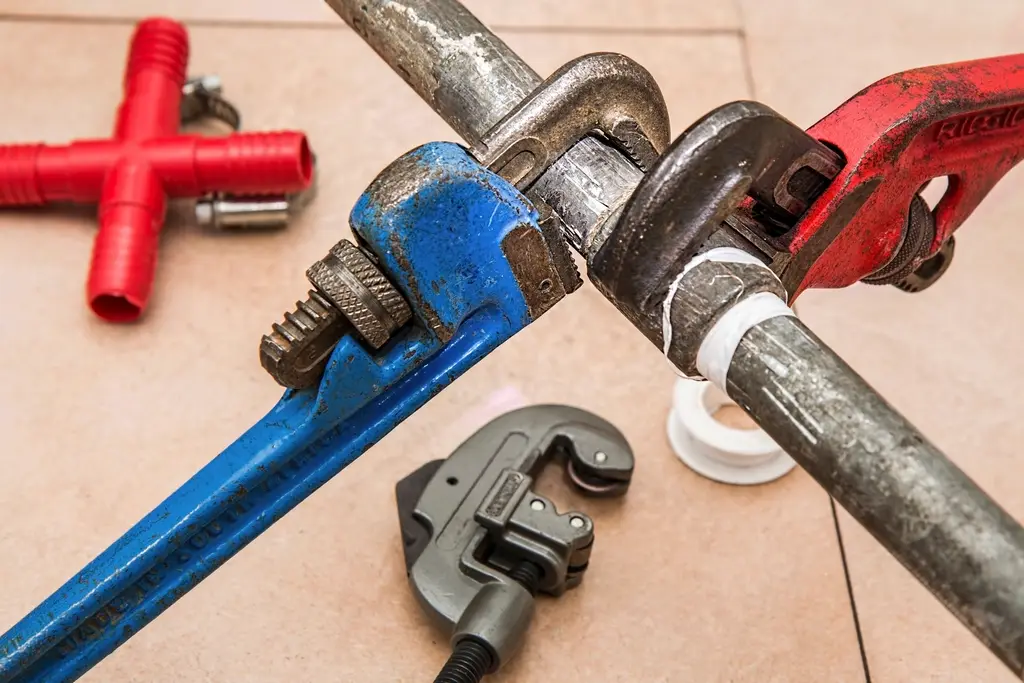
What is a slab leak spot repair? A spot repair, also called direct access, means cutting through the flooring and concrete slab at the exact leak location, digging down to the pipe, replacing the damaged section, and then refilling and patching the slab. It fixes one leak without changing the rest of the plumbing.
It’s the most traditional way to handle a slab leak, and it relies on accurate leak detection. The smaller the search area, the smaller the opening. For a broader look at local slab leak repair options, including rerouting and repiping, see our main page.
When a spot repair is a good fit
- Detection shows one clear leak, and the pipe elsewhere appears sound.
- The flooring above is easy to replace or match: carpet, spare tile you kept from the original install, or an area due for new flooring anyway.
- The leak is in an open area rather than under cabinetry, a tub or an appliance.
- There’s no practical path through the attic or walls for a reroute.
What the process looks like
- Protect the room. Furniture is moved and the area sealed off to contain concrete dust.
- Remove flooring over the marked leak location, saving tiles where possible.
- Cut and break the concrete to open an access hole, then dig to expose the pipe.
- Replace the damaged section of pipe and pressure-test the repair.
- Backfill and patch the slab with new concrete.
- Restore the floor. Some providers handle flooring; many leave it to a flooring contractor, so confirm this up front.
Some providers offer an alternative: tunneling under the foundation from outside the house to reach the pipe without breaking the floor. It involves significant digging and suits only certain layouts, so ask whether it’s realistic for your home.
Planning around flooring and water damage
In many South Florida homes, the hardest part of a spot repair isn’t the pipe, it’s the tile. Before work starts:
- Check your garage or closets for leftover tiles from the original installation.
- Photograph the floor and any water damage for your records and insurer. See what Florida policies commonly cover.
- Ask whether the area under the floor needs drying before it’s closed up, since trapped moisture can cause odors and mildew later.
- If the leak was on a hot line, read about hot water slab leaks. These lines tend to fail again, which may make rerouting the better value.
Homeowners in Lake Worth Beach with older homes may find that a spot repair uncovers a pipe in worse shape than expected. That’s another reason to ask about all options before committing.
Other repair approaches


Frequently asked questions
How big is the hole for a slab leak spot repair?
It depends on how precisely the leak was located and how deep the pipe runs. Accurate detection keeps the opening smaller. Ask the provider for an expected size before work starts.
Is a spot repair cheaper than a reroute?
Sometimes, but not always. Once you add flooring replacement and the chance of future leaks on the same pipe, a reroute can compare favorably. Get both options quoted.
Can the floor be walked on right after a spot repair?
New concrete needs time to cure before flooring is reinstalled. The provider can tell you how long to wait before finishing the floor.