
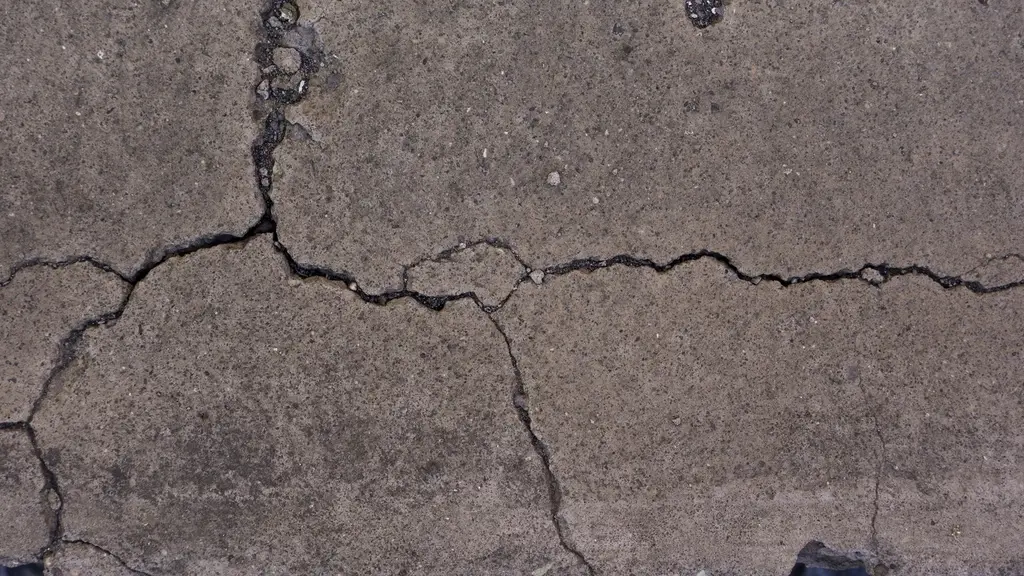
What’s the difference? A slab leak is a plumbing problem: a pressurized water pipe under the concrete slab is leaking. A foundation problem is structural: the slab or its supporting soil is moving, settling or cracking. The two can be linked, because a long-running leak can soften or wash out soil under a slab and foundation movement can stress buried pipes. They are diagnosed by different professionals, though.
The simplest way to start is with the water meter. A slab leak almost always shows up as water being lost when nothing is running, while foundation movement on its own doesn’t move your meter. That free, 30-minute test tells you which kind of professional to call first.
Symptoms side by side
Many symptoms overlap, so look at the whole picture rather than one sign.
| What you notice | Points more toward a slab leak | Points more toward foundation movement |
|---|---|---|
| Water bill or meter | Bill rising for no reason; meter moving with everything off | No change in water use |
| Floor temperature | A warm spot, usually a hot-water line leak | No temperature change |
| Moisture | Damp carpet, musty smell, mildew at baseboards | Usually dry, unless gutters or drainage are also involved |
| Doors and windows | Rarely affected | Doors or windows that stick or won’t latch, gaps at frames |
| Wall cracks | Uncommon | Diagonal cracks from door or window corners; stair-step cracks in block walls or stucco |
| Floors | Loose or cracked tiles along a pipe route | Noticeably sloping or uneven floors |
| Sound | Running or hissing water with fixtures off | None |
Which should you check first?
- Run a meter test. Turn off every fixture and appliance, including irrigation, and watch the meter for 20 to 30 minutes.
- If the meter moves, start with plumbing. A provider can confirm the leak and locate it with non-invasive slab leak detection. If your yard is soggy but the house is dry, it may be the buried service line instead.
- If the meter doesn’t move but you see structural signs, consider an independent evaluation by a licensed structural engineer before hiring a foundation repair contractor.
- If you see both, deal with the leak first. Repairing a foundation while water is still soaking the soil underneath can undo the work.
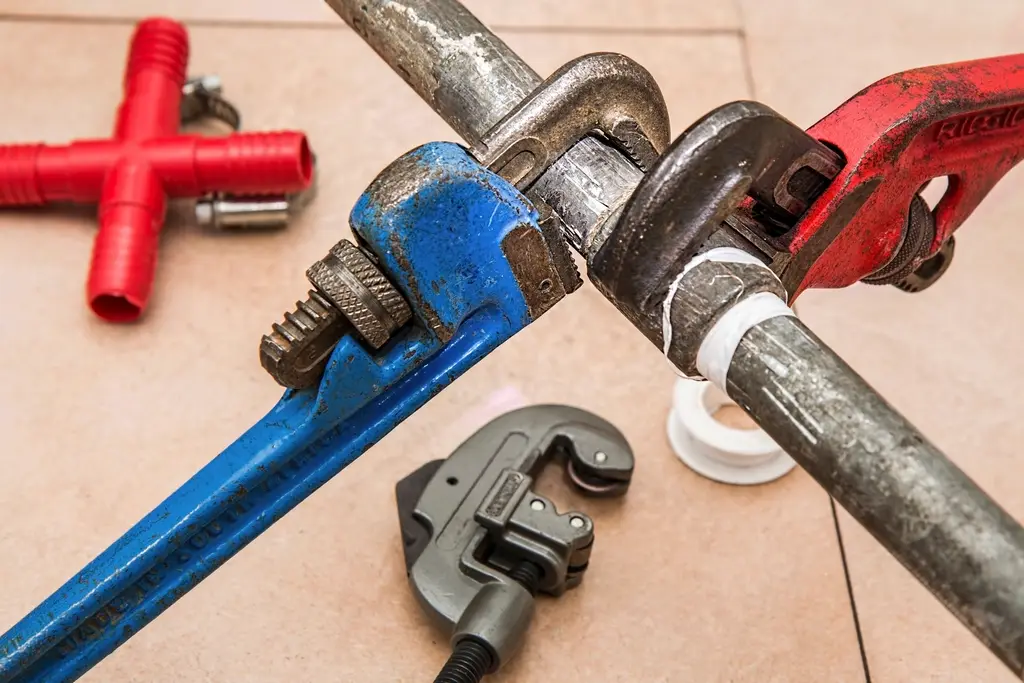
How a slab leak and foundation trouble can be connected
Water escaping under a slab doesn’t just raise your bill. Over time, a steady leak can saturate the soil beneath the concrete or carry fine soil away, which may contribute to settling in that area. In the other direction, a slab that shifts can put stress on rigid pipes running through or under it.
This is why it matters to find and stop a leak promptly, and why a plumber who finds a leak will often recommend watching for structural signs afterward. When the same pipe keeps failing, rerouting it out of the slab removes that risk. Our page on slab leak rerouting explains how that works. A spot repair opens the slab at the leak, which also gives the plumber a direct look at the soil and pipe underneath.
Who does what
| Professional | What they handle |
|---|---|
| Plumbing / leak detection provider | Confirms and locates leaks in water lines; repairs, reroutes or repipes. |
| Structural engineer | Independently evaluates whether a foundation is moving, why, and what repair (if any) is needed. |
| Foundation repair contractor | Performs structural repairs such as stabilizing or leveling, ideally based on an engineer’s findings. |
| Your insurer | Decides what the policy covers. See our guide to slab leak insurance in Florida. |
Before hiring any contractor in Florida, you can check their license status through the Florida Department of Business and Professional Regulation (DBPR).
Where we can help
Slab Leak Repair Greenacres connects homeowners with independent providers for the plumbing side: finding and fixing leaks under the slab. We don’t refer foundation repair contractors or engineers. If a leak is behind what you’re seeing, our main page on slab leak help in the Greenacres area explains the signs, repair options and what happens when you call. We also help homeowners in nearby areas such as Palm Springs and Wellington.
Related pages
 Slab Leak DetectionPinpointing the leak under the concrete before anything is opened.Learn more →
 Hot Water Slab LeakWarm spots on the floor and a water heater that never stops running.Learn more →
 Slab Leak Insurance in FloridaWhat policies usually cover, claim deadlines and how to document a leak.Read the guide →
Frequently asked questions
Can a slab leak cause foundation damage?
It can contribute to it. A long-running leak can saturate or wash away soil beneath part of a slab, which may lead to settling. Finding and stopping leaks promptly reduces that risk.
Should I call a plumber or a foundation company first?
Run a meter test first. If the meter moves with everything off, start with a plumbing leak check. If it doesn’t move and you see structural signs such as sticking doors or diagonal wall cracks, consider an independent structural engineer’s evaluation.
Are cracks in my slab a sign of a leak?
Not necessarily. Thin shrinkage cracks are common in concrete. Cracks combined with damp flooring, warm spots or a moving water meter are more likely to involve a leak.
Do you connect people with foundation repair companies?
No. We connect homeowners with independent plumbing providers for slab leak detection and repair only.